Music School
Vocal Lessons in Singapore: Singing Classes for Kids and Adults
Singing is the most personal form of music there is. The instrument lives inside you, shaped by breath, posture, and emotion. That intimacy is exactly why vocal lessons can feel intimidating to begin, and exactly why they can be so transformative when done well.
Across Singapore, demand for vocal lessons has grown steadily for children, teens, and adults. Some are aiming at exams or auditions; many simply want to sing better in church, at family gatherings, or for their own enjoyment. This guide will walk you through what to expect from singing classes, when to begin, how to choose a vocal coach, and what to budget.
We have written this guide for three readers. The first is a parent deciding whether to enroll a child in singing classes, perhaps the child sings constantly at home, or perhaps they are shy, and the parent hopes lessons will help. The second is a teen who has discovered they love singing but is not sure where to start. The third is an adult who has always wanted to sing better, at karaoke, at church, at family events, and is finally taking the step. The advice below applies to all three, with notes where it diverges.
Why Vocal Lessons in Singapore Are More Popular Than Ever
Three trends have driven the rise of vocal lessons here. First, the explosion of Singapore’s musical theatre and choral scenes has created visible role models for young singers. Second, social media has lowered the barrier to sharing music, leading more people to be motivated to sing better in front of others. Third, adults are increasingly treating singing as a form of stress relief and wellbeing, a practice supported by science.
- Singing improves breathing and posture, which benefits overall health.
- It builds confidence and helps with public speaking.
- It is one of the few creative activities that can be done with no equipment.
There is also a quieter, deeper reason. Singing is one of the very few activities that synchronize breath, body, and emotion. People who sing regularly often describe a calming effect that resembles the benefits of meditation or yoga. For Singaporeans juggling stressful work and dense urban life, that benefit alone is worth the lesson fee.
What Are Vocal Lessons, Really?
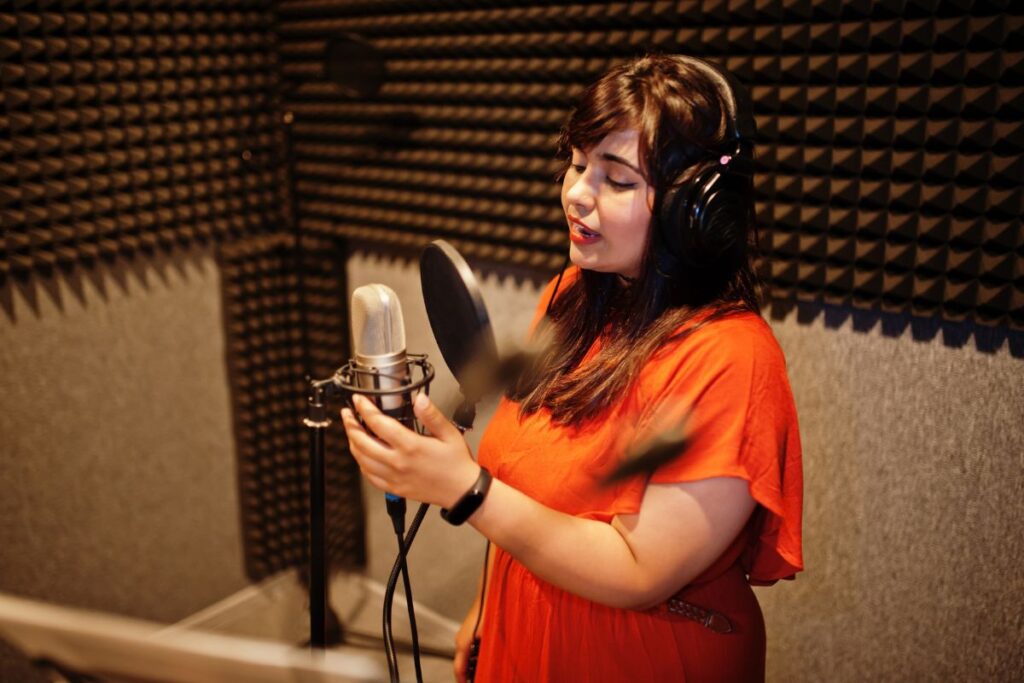
A common misconception is that vocal lessons are just about singing songs. They are not. A proper voice lesson is a structured workout for the muscles, airflow, and listening skills that produce sound.
- Warm-ups: gentle exercises that prepare the vocal folds and align breath with sound.
- Technique: posture, breath support, resonance, vowel shape, and registration.
- Repertoire: songs chosen to develop range, style, and expressiveness, not just to entertain.
- Musicianship: pitch, rhythm, sight-singing, and basic music theory.
Lessons typically run 30, 45, or 60 minutes. Younger children usually start with shorter lessons that include movement and play; adults often prefer 45 to 60 minutes for technical depth and repertoire work.
Where vocal lessons differ from instrumental lessons is the level of attention paid to the body. Posture, jaw tension, tongue position, and shoulder release are all regular subjects in a singing lesson, because the singer is the instrument. Expect to spend time standing, stretching, and breathing in ways that may feel strange at first but quickly become normal.
Can Anyone Learn to Sing? The Truth About Talent and Training
Almost everyone who can speak can learn to sing. Pitch matching, breath control, and tone are skills, not magic. A small minority of people have a genuine condition that makes pitch matching very difficult, but for the overwhelming majority, the gap between “can’t sing” and “can hold a tune” is closed with patient training and consistent practice.
What varies between students is not whether they can improve, but how quickly and how far they choose to take it. A good teacher’s job is to meet each student where they are and build the voice they already have, not impose a sound that does not fit.
Two more honest notes. First, recordings lie. The voice you hear inside your own head sounds completely different from the voice other people hear, because part of it travels through your skull. Almost everyone is surprised, sometimes uncomfortably, by their first recordings. Second, vocal fatigue is real. Singers, even highly trained ones, experience days when their voices simply do not respond as expected. Patience with yourself is part of the craft.
Singing Lessons for Kids: When and How to Start

Children can begin singing in a structured setting from around age six or seven, though younger children often participate in musical movement and choral games before then. The voice changes significantly during puberty, so the focus and intensity of vocal training should be calibrated to the student’s age.
- Ages 6-9: gentle group or private lessons emphasizing pitch, rhythm, and joy of singing. The repertoire is light, the range is limited, and no heavy technical demands are placed on the developing voice.
- Ages 10-13: more structured technique, simple ear training, and beginner exam pathways if desired. Teachers closely monitor the early signs of vocal change.
- Ages 14+: as the voice settles, students can begin handling more demanding repertoire and serious technique work.
One question parents often ask is whether group singing or private vocal lessons are better for young children. The honest answer is that both have a place. Group singing in a school choir, a community children’s choir, or a parent-and-child music class builds pitch-matching, listening, and confidence in a low-pressure setting. Private vocal lessons offer focused technique, repertoire selection, and the opportunity to address each child’s individual voice. The two complement each other beautifully when used in combination.
Vocal Lessons for Teens: Range, Confidence, and Self-Expression
Teenage vocal lessons are about more than singing technique. They also handle a delicate moment: the voice is changing, identity is forming, and confidence often takes a hit. A supportive teacher helps students navigate the practical changes (breath support, registers, range adjustments) while giving them room to explore their own musical voice.
Teens often arrive with strong opinions about the music they want to sing, and that is a gift, not a problem. A wise teacher takes the songs they love seriously and uses them as a vehicle for the same technique that more traditional repertoire would build. The fastest way to lose a teenage singer is to dismiss the songs they care about.
Vocal Lessons for Adults: Reclaiming Your Voice at Any Age
Adult vocal students arrive for many reasons. Some want to sing better at karaoke or at church. Some are returning to the choir they sang in as a teenager. Some are working professionals who simply want a creative outlet unrelated to their day jobs.
What adult learners commonly aim for:
- Sing a favorite song confidently without straining the voice.
- Extend range and improve pitch accuracy.
- Prepare for a wedding, family event, or speech.
- Learn how the voice works so they can sing healthily for years.
Two encouragements for adult learners. First, you almost certainly have a wider range than you think. Most beginners use only a small middle portion of their voice. Lessons open up notes you did not know you had. Second, your progress will not be measured in weeks but in months. Set six-month goals, not six-week ones, and the journey becomes much more satisfying.
Classical, Contemporary, or Musical Theatre? Choosing Your Vocal Style
Modern singing teachers are increasingly stylistically flexible, but it still helps to know which direction you are leaning.
- Classical singing emphasizes pure tone, resonance, and breath economy. Strong fit for choral, art song, and operatic repertoire.
- Contemporary/commercial singing covers pop, R&B, jazz, gospel, and worship styles. Emphasizes stylistic authenticity, microphone technique, and personal sound.
- Musical theatre singing blends the two, requiring strong storytelling alongside vocal technique.
Most teachers will help you build a healthy core technique that supports any of these styles, then specialize as your goals come into focus.
Group vs Private Vocal Lessons: Which Works Better
Group classes can be wonderful for choral skills, ensemble singing, and lowering the psychological barrier of singing in front of others. For real technical progress, however, private vocal lessons remain essential.
- Group lessons are best for choral/ensemble singing, social motivation, beginner exposure, and reducing performance anxiety.
- Private lessons are necessary for technique refinement, exam preparation, advanced repertoire, and any serious work on tone, registration, or vocal health.
TCL, ABRSM, and Recreational Pathways for Singers
Singaporean singers most often prepare for either Trinity College London (TCL) or ABRSM examinations, both of which are internationally recognized.
- TCL singing exams offer flexibility in repertoire and a strong contemporary pathway via the Rock & Pop syllabus.
- ABRSM exams are widely respected and follow a more traditional repertoire and structure.
- Recreational / non-exam learning lets the student and teacher build a fully personalized curriculum, which works especially well for adults.
How Much Do Vocal Lessons Cost in Singapore?
Vocal lesson fees in Singapore depend on lesson length, teacher experience, format (group or private), and venue. Expect monthly fees to scale with the teacher’s qualifications and performance background. Beyond lessons, you may also budget for:
- Sheet music or backing tracks.
- Exam fees, if pursuing TCL or ABRSM.
- Optional masterclasses, recital fees, or showcase events.
Adult learners should also budget for time. A productive vocal practice routine at home is usually fifteen to twenty minutes a day, short, focused, and consistent. Without that, weekly lessons can only do so much. Many of our most rewarding adult students build the habit of a brief daily warm-up and a slightly longer practice block two or three evenings a week.
Choosing the Right Vocal Coach in Singapore
A good vocal coach combines musical credentials with diagnostic skill. They should be able to listen to a few notes from your voice and explain, in plain language, what is working, what is tight, and what to focus on next. When meeting a prospective teacher:
- Ask about their stylistic background and how they would approach the music you want to sing.
- Ask about vocal health, including how they handle students who arrive with hoarseness, fatigue, or muscle tension.
- Ask about the structure of a typical lesson.
- Notice whether they listen carefully or talk over you.
Daily Habits That Protect and Strengthen Your Voice
Unlike a piano, your voice is also the instrument you use for ordering coffee, shouting across the room, and talking through long meetings. Vocal care is a daily discipline, not a once-a-week lesson.
- Hydrate properly. Water reaches the vocal folds indirectly, so consistent daily intake matters more than chugging right before you sing.
- Warm up before any serious singing, and cool down after long sessions.
- Sleep matters. Vocal tissue recovers overnight; chronic sleep deprivation shows in your tone.
- Avoid shouting, throat-clearing, and whispering; all three put more strain on the vocal folds than normal speech.
- Take a break when sick. Singing through a heavy cold or laryngitis is one of the most common ways serious vocal damage starts.
Performance Opportunities, Choirs, and Community Singing
Singing comes alive in front of others. Once you have the basics in place, look for opportunities to perform, even small ones. School concerts, community choirs, church worship teams, open mic nights, and family gatherings are all valid stages. Each performance, however informal, builds the kind of confidence no amount of solo practice can give you. For children, especially, the social side of singing, being part of a choir, sharing songs with friends, and performing for family, is often what keeps the discipline of regular lessons feeling worthwhile.
Common Mistakes Vocal Students Make (and How to Avoid Them)
Across years of teaching, the same handful of mistakes appear in nearly every singer’s early development. Knowing them in advance helps you sidestep months of frustration.
- Pushing for volume too soon. Loud singing without proper support strains the voice. Build resonance first; volume follows naturally.
- Imitating recorded artists too closely. Studio recordings are heavily processed. Trying to match them sound-for-sound usually distorts your own voice.
- Skipping warm-ups. Even five minutes of gentle warm-up before a lesson or performance dramatically improves tone and reduces strain.
- Ignoring breath work. Most tone, pitch, and confidence problems stem from breath. It is the unglamorous foundation on which everything else depends.
- Trying to sing through illness. A swollen larynx is not the time for technique work. Rest, recover, and come back stronger.
If you only learn one thing about vocal health, learn this: the voice is a wet instrument. The vocal folds need consistent hydration to vibrate cleanly and recover from use. That hydration has to be built up over hours and days, not minutes. Drinking a bottle of water right before singing does not reach the vocal folds quickly enough to make a difference. The students who treat hydration as a daily habit rather than a last-minute fix consistently outperform those who do not.
Vocal Lessons in Bukit Timah and Across Singapore
Bukit Timah has become a natural home for vocal study in Singapore. Quiet studios, experienced teachers, and a strong concentration of music schools make consistent weekly attendance easier than in busier shopping districts. Wherever in Singapore you are based, consistency matters far more than prestige. The most important thing is finding a teacher and a studio close enough to attend reliably for the long run, because vocal progress lives in small, repeated steps over many months.
Building a Long-Term Relationship with Your Voice
Your voice will be with you for the rest of your life. The students who stay with singing into adulthood are the ones who fall in love with the daily craft, not just the performance moments. Sing for the satisfaction of a phrase shaped just right. Sing because it feels good to breathe deeply. Sing for the community. Whatever else changes about your life, that quiet daily practice will keep paying dividends for decades.
Begin Your Singing Journey with Harmony & Pitch
At Harmony & Pitch, our vocal coaches train children, teens, and adults across classical, musical theatre, and contemporary styles. Whether you are preparing your child for their first recital, working toward a TCL or ABRSM exam, or simply wanting to feel confident every time you open your mouth to sing, our team is ready to guide you. Our teachers combine strong performance backgrounds with patient, diagnostic teaching, meeting each student where they are and building the voice they already have. Lessons are available in-person and online, with flexible scheduling for working professionals and active families. Explore our vocal lessons in Singapore and begin training the most personal instrument you will ever play, your own voice. Whether your destination is the recital stage, a worship team, the school musical, or simply the quiet satisfaction of finally singing the song that has lived in your head for years, we would be honored to walk that road with you.