Uncategorized
Suzuki vs Traditional Violin Lessons Singapore: Which Method is Right for Your Child?
When parents come to Harmony & Pitch seeking violin lessons in Singapore for their children, one of the first questions we address is teaching methodology. Should your child learn through the renowned Suzuki method, or would traditional violin instruction better serve their needs? After decades of guiding young violinists through both approaches, we’ve discovered that the answer isn’t as straightforward as many believe.
The debate between Suzuki and traditional methods has shaped violin pedagogy for over half a century. Both approaches have produced world-class musicians, yet they differ fundamentally in philosophy, technique, and progression. Understanding these differences helps parents make informed decisions when choosing violin classes for kids that align with their child’s learning style and family dynamics.
Understanding the Suzuki Method
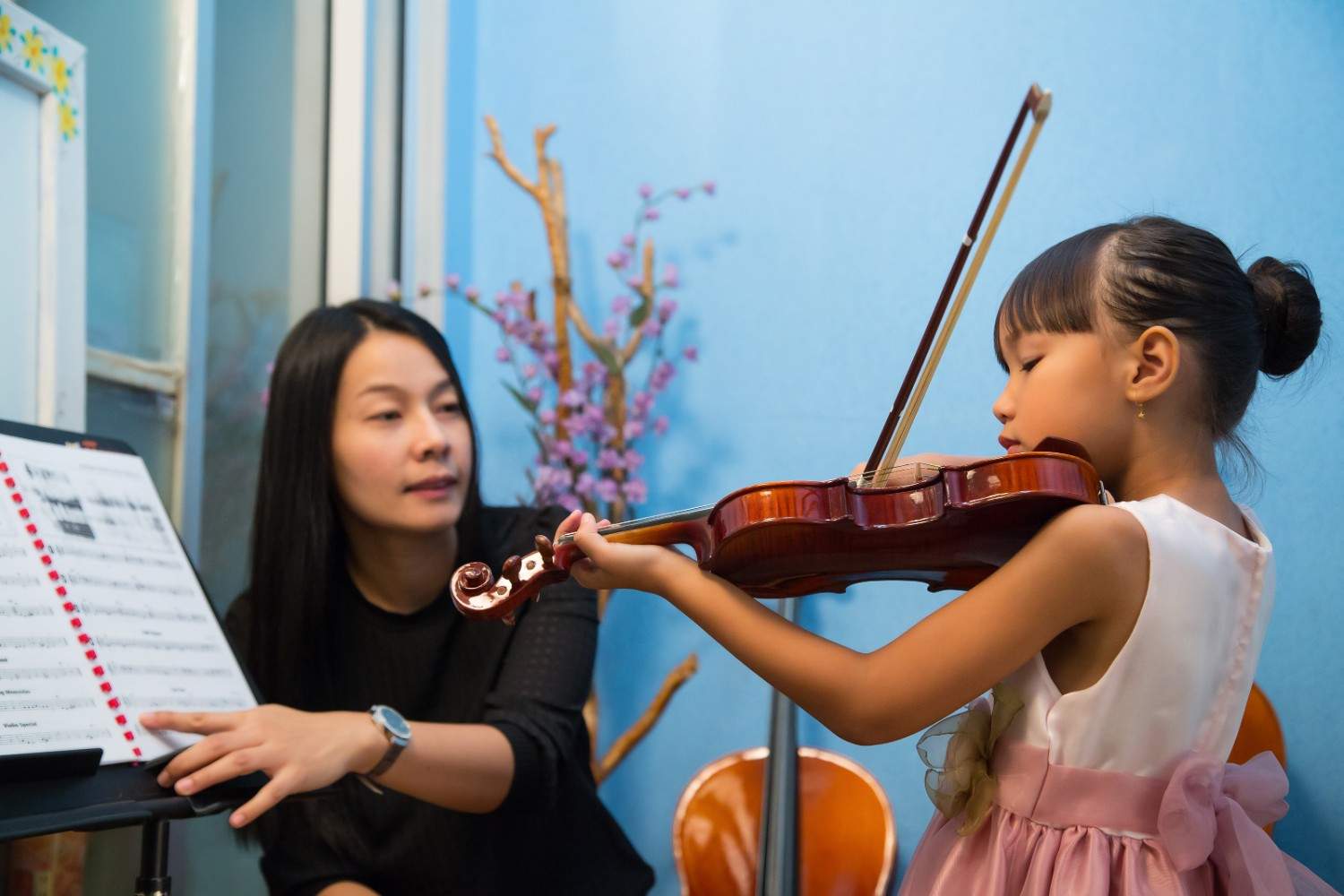
Developed by Japanese violinist Shinichi Suzuki in the mid-20th century, the Suzuki method revolutionised how we teach violin lessons in Singapore to young children. Suzuki believed that all children possess the ability to learn music just as they learn their native language – through listening, imitation, and repetition in a nurturing environment.
The philosophy centres on the “mother tongue” approach. Just as children learn to speak before they read, Suzuki students learn to play by ear before reading music. This method emphasises parental involvement, with one parent attending lessons and serving as the “home teacher” during practice sessions. The parent learns alongside the child, creating a supportive triangle between student, parent, and teacher.
At Harmony & Pitch, our Suzuki-trained instructors begin lessons with children as young as three or four. Students start by developing proper posture and bow hold, often using a foam bow or even a pencil before touching a real instrument. The focus remains on creating a beautiful tone and developing musical ear training through careful listening to recordings of the Suzuki repertoire.
The Traditional Approach Explained
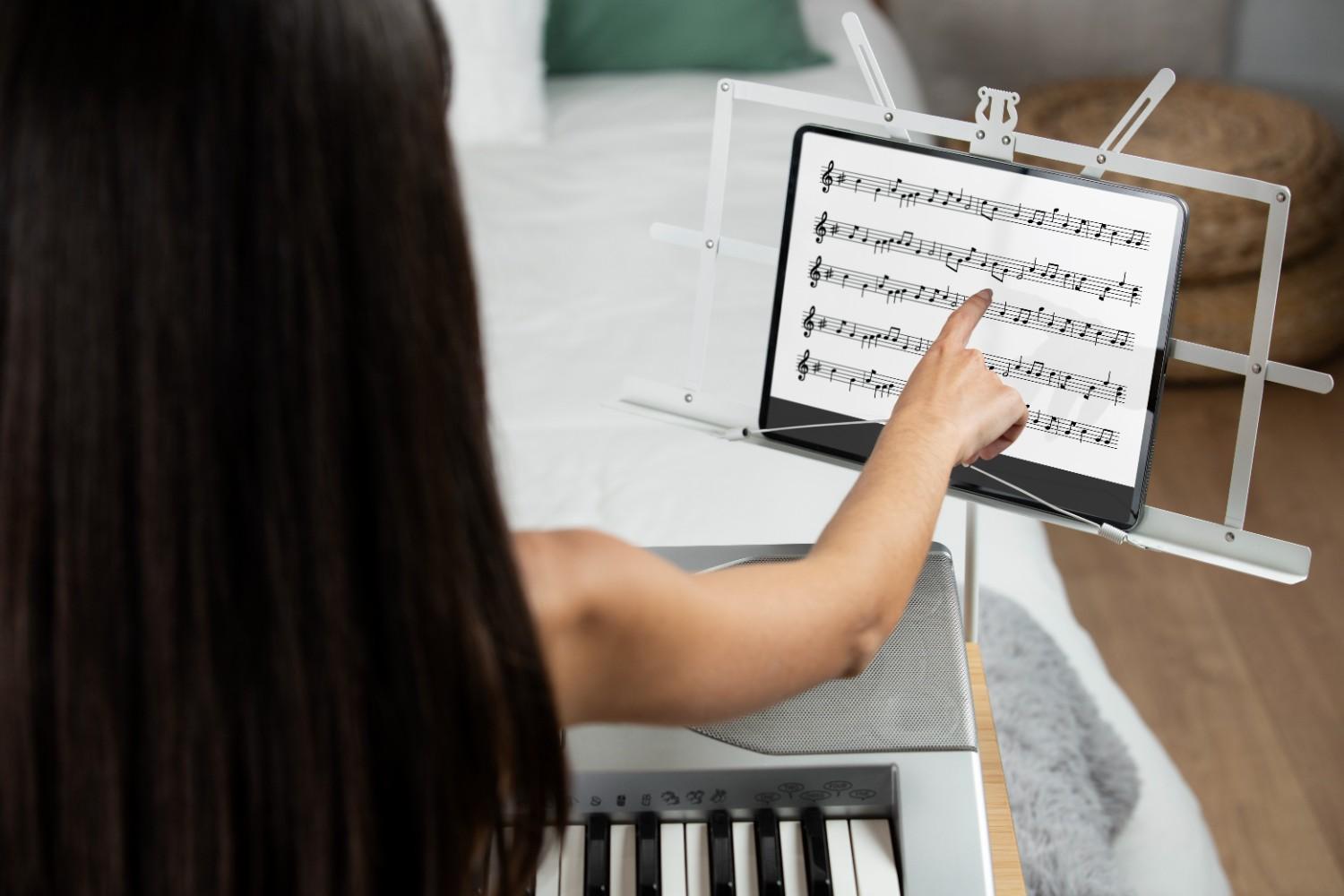
Traditional violin lessons in Singapore typically follow the classical conservatory model that has dominated Western music education for centuries. This method introduces music reading from the beginning, treating it as fundamental to musical development. Students learn to associate written notes with finger positions and sounds simultaneously.
In traditional lessons at our music school, children usually begin around age six or seven, when they can comfortably read basic text. The approach is more individualised, with teachers selecting repertoire based on each student’s technical needs and musical interests. Parents may observe lessons but aren’t required to participate actively in the learning process.
Students of the traditional method develop sight-reading skills early, enabling them to explore diverse repertoire beyond a set curriculum. They learn music theory alongside practical skills, understanding the “why” behind musical structures from the start. This analytical approach appeals to children who enjoy understanding systems and patterns.
Key Differences in Teaching Philosophy
The fundamental distinction between these methods lies in their opposing views on music literacy. Suzuki teachers believe that to learn violin, students should develop technical proficiency and musical sensitivity before tackling the complexity of notation. They argue that premature focus on reading can interfere with developing good tone production and natural musicality.
Traditional teachers counter that music reading is essential for independent learning and broader musical understanding. They worry that delayed reading instruction creates dependencies and limits students’ ability to explore repertoire independently. In their view, the simultaneous development of playing and reading skills creates more well-rounded musicians.
These philosophical differences extend to practice expectations. Suzuki families commit to daily listening sessions, playing Suzuki recordings in the home to develop the child’s musical ear. Traditional method families might focus more on written practice assignments and études designed to address specific technical challenges.
Parental Involvement: A Crucial Distinction
Perhaps no aspect differs more dramatically between methods than parental participation. The Suzuki method requires extraordinary commitment from at least one parent, who must attend every lesson, take notes, and guide daily practice. This parent becomes the child’s primary teacher between lessons, responsible for maintaining proper technique and musical standards at home.
For many families seeking violin classes for kids, this level of involvement proves either deeply rewarding or impossibly demanding. Single-parent households, families with multiple children, or parents with inflexible work schedules might struggle to meet Suzuki’s participation requirements. However, parents who embrace this role often report stronger bonds with their children and a deeper appreciation for their musical journey.
Traditional violin tutors in Singapore typically expect parents to ensure practice happens, but not necessarily guide it directly. Parents might remind children to practise, provide encouragement and communicate with teachers about progress, but the student bears more responsibility for their learning. This independence can benefit older children but might overwhelm younger ones who need more structure and support.
Age Considerations and Readiness
The Suzuki method’s design specifically accommodates very young children, with specialised techniques for building foundational skills before formal playing begins. Pre-twinkle exercises, rhythm games and bow exercises create successful experiences for three and four-year-olds who might struggle with traditional approaches.
When parents inquire about violin lessons in Singapore for preschoolers, we often recommend starting with the Suzuki methodology. The method’s emphasis on listening and imitation aligns with how young children naturally learn. The structured progression through familiar songs provides clear milestones that maintain motivation.
Traditional methods generally suit children who can read simple text and follow multi-step written instructions. The cognitive demands of simultaneously processing notation, technique and musical expression require more mature thinking skills. However, older beginners often progress faster with traditional methods, as they can leverage their reading abilities and analytical thinking.
Repertoire and Musical Development
Suzuki students follow a carefully sequenced repertoire across ten books, with each piece building on skills from previous ones. Every Suzuki student worldwide learns “Twinkle, Twinkle, Little Star” variations, followed by folk songs, baroque dances, and eventually major concertos. This standardisation enables group classes and play-ins where students at similar levels can perform together.
The predictable progression offers advantages and limitations. Students develop strong technique through familiar pieces practised to high standards. However, some families find the repertoire restrictive, particularly those interested in contemporary music or specific cultural traditions. The Western classical focus might not resonate with all families in Singapore’s diverse cultural landscape.
Traditional violin lessons in Singapore offer infinite repertoire flexibility. Teachers can select pieces matching students’ interests, technical needs and performance goals. A student fascinated by Celtic fiddle music or contemporary compositions can explore these genres while building classical technique. This customisation keeps students engaged but requires teachers with broad musical knowledge and extensive libraries.
Group Learning vs. Individual Focus
Suzuki programs incorporate regular group classes alongside private lessons, viewing peer learning as essential to musical development. In group sessions at Harmony & Pitch, students review familiar repertoire, play musical games and perform for each other. These classes build confidence, ensemble skills and community among young violinists.
The social aspect particularly benefits shy children who might feel overwhelmed in one-on-one lesson settings. Watching peers play familiar pieces motivates practice and demonstrates achievable goals. Advanced students develop leadership skills by mentoring younger ones, creating a supportive musical family within the studio.
Traditional approaches typically emphasise individual instruction, with occasional studio recitals or masterclasses. While this provides more focused attention to each student’s unique needs, it might lack the motivational power of regular peer interaction. Some traditional teachers address this by organising chamber music groups or studio orchestras, but these remain supplementary rather than integral to the method.
Making the Right Choice for Your Child
When families come to Harmony & Pitch seeking violin classes for kids, we guide them through several considerations. First, honestly assess your family’s capacity for involvement. The Suzuki method demands significant parental time and energy – typically 30-60 minutes of daily practice supervision plus weekly lessons and group classes. If this seems unsustainable, traditional methods might better serve your family.
Consider your child’s learning style and personality. Children who thrive on routine, enjoy repetition, and respond well to parental guidance often excel in Suzuki programs. Those who value independence, enjoy reading, or resist parental involvement might prefer traditional approaches. Neither preference indicates superior musical potential – merely different paths to the same destination.

Evaluate your musical goals and timeline. Families seeking quick performance opportunities and early successes often appreciate Suzuki’s approach. The method produces young children who can perform impressively by ear within months. Traditional methods might show slower initial progress, but develop sight-reading skills enabling lifelong independent learning.
The Hybrid Approach at Harmony & Pitch
Recognising that each child is unique, many of our violin tutors here in Singapore blend methodologies to create personalised learning experiences. We might use Suzuki repertoire and listening assignments while introducing note reading earlier than pure Suzuki advocates recommend. Or we might incorporate Suzuki-style group classes into primarily traditional programs.
This flexibility allows us to adapt as children grow and change. A student might begin with the Suzuki method as a four-year-old, gradually transitioning to more traditional approaches as reading skills develop. Conversely, an older beginner might benefit from Suzuki ear training exercises while following a traditional technical progression.
Success Stories from Both Methods
In our years of providing violin lessons in Singapore, we’ve witnessed remarkable achievements through both methodologies. Sarah, who started Suzuki lessons at age four, performed the Bach Double Violin Concerto with her teacher at age ten, having developed exceptional ear training and confident stage presence through years of group performances.
Meanwhile, Thomas began traditional lessons at seven and quickly developed strong sight-reading skills. By age twelve, he was composing his own pieces and exploring diverse musical genres, from baroque to contemporary. His ability to read and analyse music opened doors to youth orchestras and chamber music opportunities.
Both students now study at prestigious music conservatories, demonstrating that either path can lead to exceptional musicianship when matched with the right student and family situation.
Starting Your Violin Journey
Whether you choose Suzuki or traditional methods for your child’s violin lessons in Singapore, the most important factor remains finding an experienced, passionate teacher who connects with your child. At Harmony & Pitch, our instructors are trained in multiple methodologies and committed to nurturing each student’s unique musical voice.
We invite you to schedule a consultation where we can discuss your child’s personality, your family’s lifestyle and your musical goals. Together, we’ll determine which approach – or combination of approaches – will best serve your young violinist’s development.
Ready to begin? Contact Harmony & Pitch today to arrange a trial lesson and discover why families throughout Singapore trust us with their children’s musical education. Whether through Suzuki’s nurturing parent-child-teacher triangle or the traditional method’s structured progression, we’ll guide your child toward a lifetime of musical joy.