Uncategorized
7 Signs Your Child is Ready for Piano Lessons
You’re never too old to learn the piano, but is it ever too early? As Singapore’s premier music school, Harmony & Pitch receives this question almost daily from parents eager to give their children the gift of music. The truth is, determining when to start piano lessons for your child goes far beyond simply checking their age.
After teaching hundreds of young musicians across Singapore, we’ve discovered that readiness for piano lessons involves a delicate balance of physical, emotional and cognitive development. Some four-year-olds display remarkable readiness, while others benefit from waiting until they’re six or seven. Let’s explore the seven key signs that indicate your child is truly ready to begin their musical journey.
1. The 15-Minute Focus Test
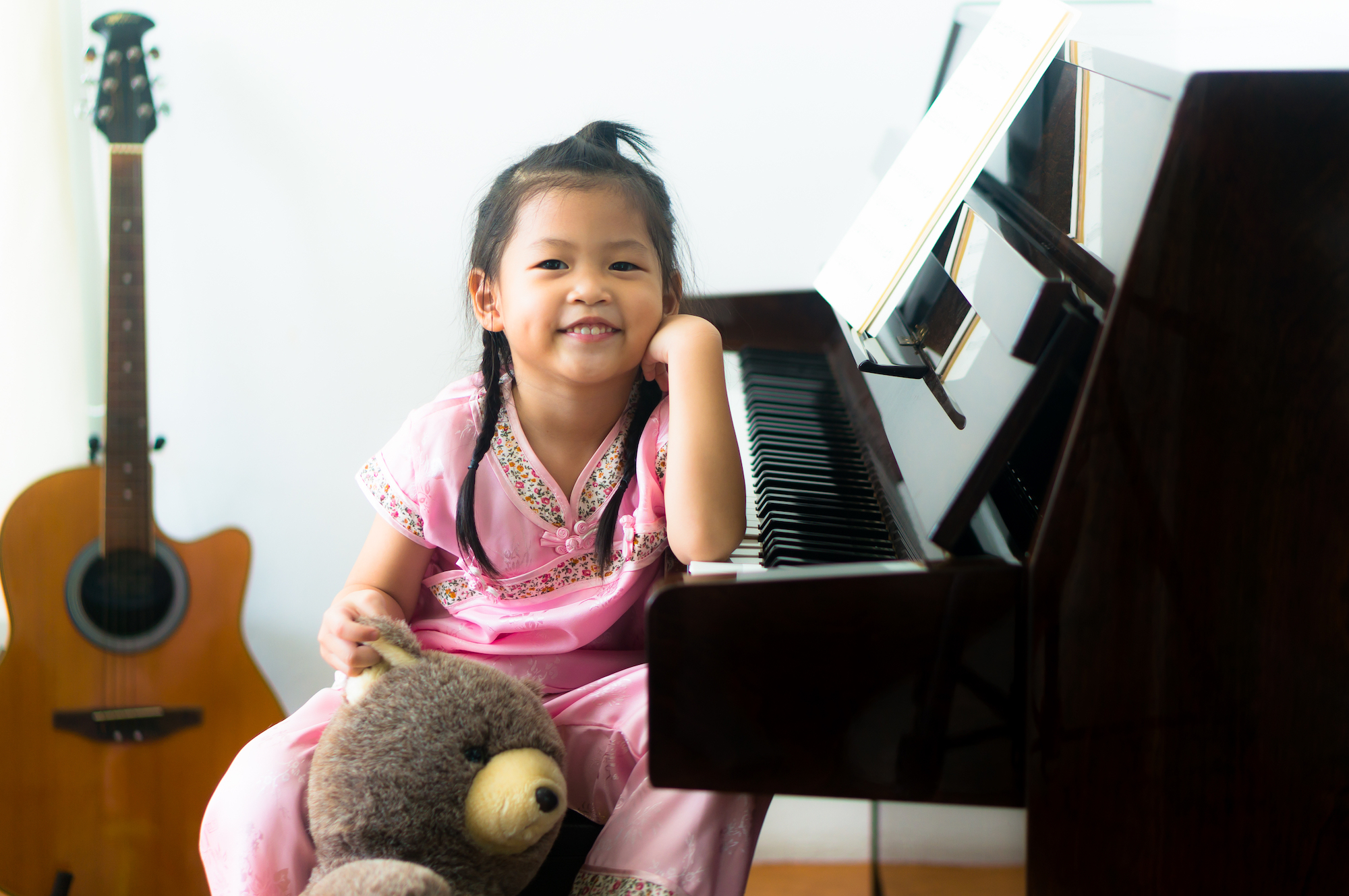
To benefit from piano class for kids, your child should be able to concentrate for at least 15 minutes in one sitting. This doesn’t mean they need to sit perfectly still like a statue – music lessons often include movement and varied activities. However, they should be able to maintain attention on a single task for a reasonable period.
When we assess potential students for our piano lessons for kids Singapore programs, we observe how long they can engage with a musical activity before becoming restless. Children who have had exposure to preschools, childcare centers or other guided learning environments typically perform better in this regard. If your child can sit through a favorite TV show, complete an age-appropriate puzzle or listen to a full story without constant redirection, they’re likely ready for the focus required in music lessons.
2. Motor Skills and Hand Development
Can your child stretch their fingers across five adjacent white keys on the piano? This simple test reveals crucial information about their physical readiness. Beyond hand span, we look for finger strength and independence – the ability to press keys individually rather than just poking with one finger.
In our experience teaching piano lessons for 4 year old students versus piano lessons for 5 year old children, we’ve noticed significant differences in motor development. The child should have the finger strength to press against a weighted key without straining. If your child doesn’t yet have the motor dexterity to hold a pencil properly or use scissors, working with a keyboard might prove exhausting and frustrating.
Additionally, fine motor coordination plays a vital role. Watch how your child handles small objects, colors within lines or builds with blocks. These everyday activities provide excellent indicators of their readiness to navigate the piano keys with precision.
3. Understanding of Basic Academic Concepts
Learning to read music is like learning a new language mixed with basic math. Your child doesn’t need to be reading chapter books or solving complex equations, but certain foundational skills make the learning process significantly smoother.
For a successful piano class for kids in Singapore, children benefit from knowing the first seven letters of the alphabet (A through G), as these form the musical alphabet. They should also be able to count to at least ten, though counting higher is advantageous since music heavily relies on mathematical concepts. Beat values, time signatures and even the distance between notes (intervals) all involve counting.
Perhaps most importantly, the child needs sufficient vocabulary to communicate meaningfully with their teacher. They should understand directional concepts like up/down, left/right and before/after. Pattern recognition abilities also prove invaluable, as music is essentially organised patterns of sound.
4. Genuine Interest in Music and Piano
Natural curiosity about music often serves as the strongest indicator of readiness. In our years of providing music class for toddlers Singapore and lessons for older children, we’ve observed that students with intrinsic motivation progress faster and enjoy their lessons more.
Does your child gravitate toward pianos or keyboards when you visit friends’ homes or music stores? Do they attempt to pick out melodies they’ve heard? These behaviors suggest genuine interest rather than mere novelty. Children who sing along to their favorite songs, create their own musical games, or ask questions about how instruments work demonstrate the kind of engagement that translates into successful learning.
However, interest alone isn’t sufficient. We’ve seen enthusiastic three-year-olds who love music but lack the physical and cognitive development needed for formal lessons. Conversely, we’ve taught seven-year-olds who initially showed minimal interest but flourished once they discovered the joy of creating music themselves.
5. Basic Communication and Instruction-Following Skills
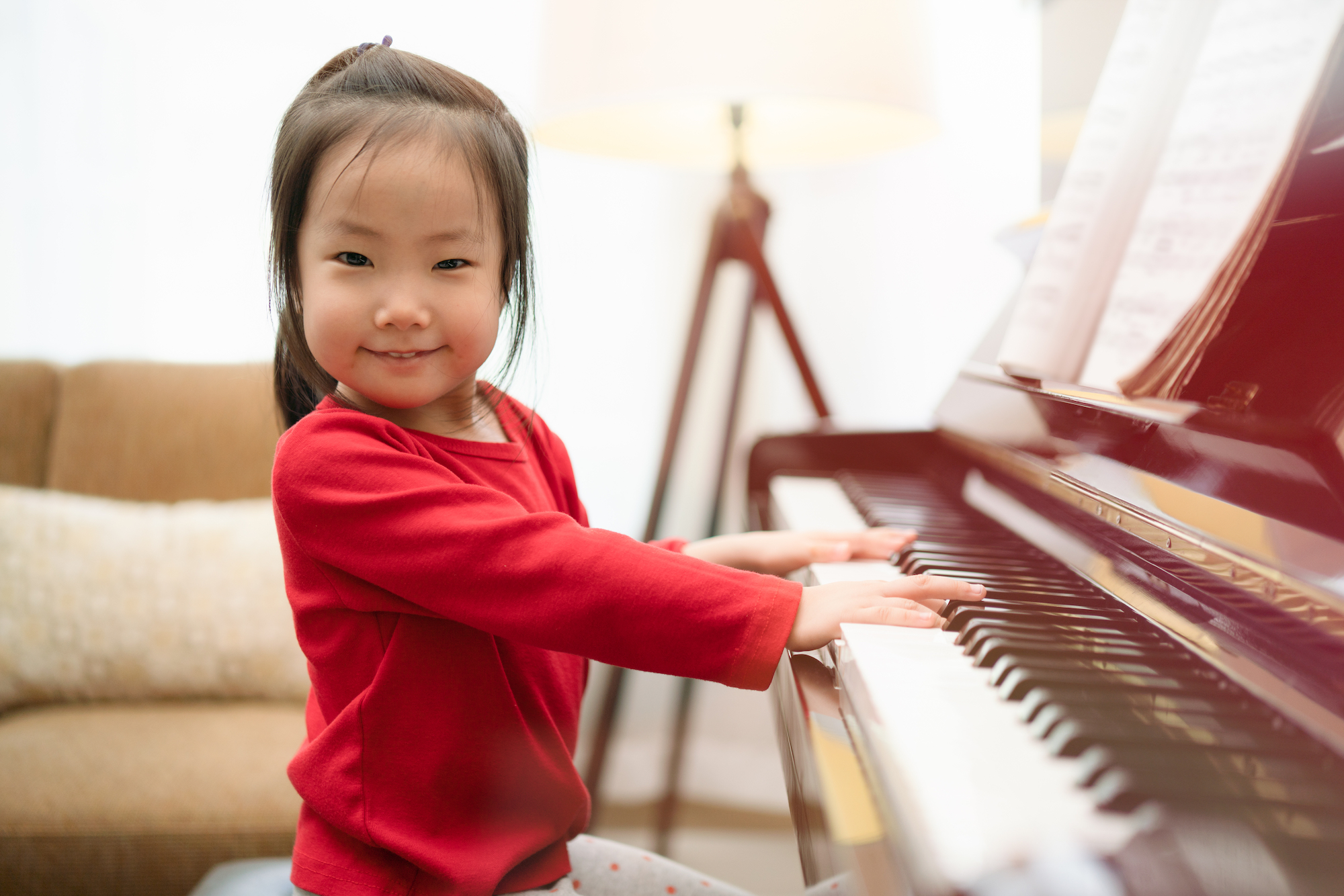
For piano lessons to be effective, children must be able to understand and follow basic instructions. This goes beyond simple commands – they need to process multi-step directions like “Place your right hand on middle C, curve your fingers and play each key slowly while counting to four.”
The ability to ask questions when confused and express frustration appropriately also matters significantly. Young students who can articulate what they don’t understand help their teachers provide better support. We look for children who can engage in back-and-forth conversation about their learning experience, even in simple terms.
6. Emotional Maturity and Resilience
Learning an instrument involves inevitable frustrations and challenges. Children ready for piano lessons for kids Singapore demonstrate a degree of emotional resilience when facing difficulties. They don’t need to be perfectly composed, but they should be able to work through minor frustrations without complete meltdowns.
We observe how children react when a piece doesn’t sound right immediately or when they struggle with finger placement. Those who show persistence, accept gentle correction, and maintain enthusiasm despite temporary setbacks tend to thrive in lessons. This emotional readiness often develops naturally around ages 5-7, though some younger children display remarkable maturity.
7. Physical Comfort at the Piano
Beyond hand size and finger strength, overall physical readiness includes the ability to sit comfortably at the piano bench with proper posture. Children should be tall enough to reach the keys while maintaining good positioning, though adjustable benches and foot stools can help accommodate smaller students.
In our music school in Bukit Timah, we ensure each child can sit with their feet supported (either on the floor or a stool), arms relaxed at their sides and hands naturally reaching the keyboard. Physical discomfort leads to poor technique and can discourage young learners from practising.
The Parent Factor: Are You Ready Too?
Perhaps the most overlooked aspect of determining the best age to start piano lessons in Singapore involves parental readiness. The benefits of learning piano – improved cognitive function, enhanced coordination, increased self-discipline and creative expression – only materialise with consistent support from home.
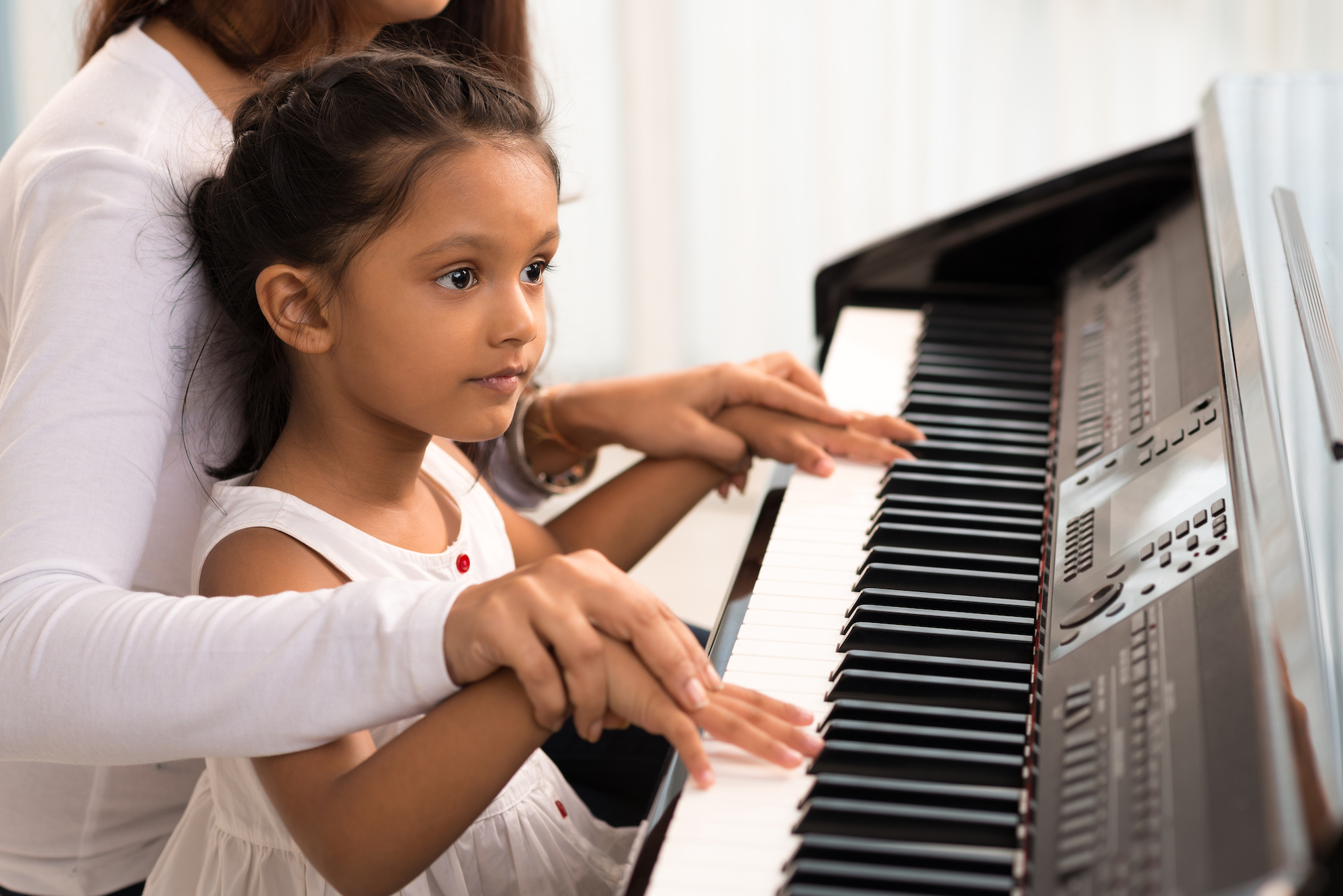
Parents must be prepared to supervise practice sessions, especially for children under eight. This doesn’t mean you need musical knowledge yourself, but you should be willing to sit with your child during practice, offer encouragement and help them work through assignments. Many successful young pianists at Harmony & Pitch have parents who treat practice time as a special bonding opportunity rather than a chore.
Financial readiness matters too. Beyond lesson fees, families need to invest in a piano or quality keyboard for home practice. Without an instrument at home, progress becomes nearly impossible, regardless of the child’s natural ability or enthusiasm.
Starting Early: The Advantages
Research consistently shows that younger children have faster-firing synapses that can accelerate skill acquisition. More importantly, habits form and become fixed from as young as nine years old. Children who begin practicing piano from an early age often develop practice discipline that becomes second nature, making long-term musical development more likely.
At Harmony & Pitch, we’ve observed that students who start between ages 4-6, when truly ready, often develop a more intuitive relationship with music. They tend to develop better pitch recognition, rhythmic accuracy and musical expression compared to those who begin later. However, we emphasise that starting early only benefits children who display the readiness signs discussed above.
When to Wait
If your child doesn’t yet display all seven signs, waiting can be the wisest choice. Forcing lessons before readiness can create negative associations with music that prove difficult to overcome. Instead, continue nurturing their musical development through informal exposure – sing together, attend concerts, explore different musical styles and let them experiment with simple instruments.
Consider enrolling in our music class for toddlers Singapore programs, which focus on general musicality rather than formal instrument instruction. These classes build foundational skills while respecting young children’s developmental stages.
Begin Your Musical Journey with Harmony & Pitch
At Harmony & Pitch, we understand that every child’s musical journey is unique. Our experienced instructors specialise in recognising readiness and adapting teaching methods to match each student’s developmental stage. Whether your child is ready now or needs more time to develop, we’re here to guide your family toward a lifetime of musical enjoyment.
Ready to take the next step? Contact us to schedule a readiness assessment and trial lesson. Discover why families throughout Singapore trust Harmony & Pitch to nurture their children’s musical potential.
[Schedule Your Trial Lesson] [Learn More About Our Programs]
Harmony & Pitch has been Singapore’s trusted music education partner for over 30 years, specializing in nurturing young musicians through innovative, child-centered teaching approaches. Visit us at our Bukit Timah location to learn more about our comprehensive music programs.