Uncategorized
My Child Refuses to Practice Piano – 7 Psychology-Based Strategies That Actually Work
“I hate practising!” If you’re a parent investing in piano lessons for kids, these three words can feel like a dagger to the heart. You’ve carefully chosen piano class for kids Singapore, bought an instrument, and committed to weekly lessons at Harmony & Pitch. Yet every practice session becomes a battlefield, leaving both you and your child frustrated and exhausted.
The truth is, practice resistance is remarkably common. After teaching piano lessons to kids for over three decades, we’ve seen countless families struggle with this challenge. The good news? Psychology research and our extensive teaching experience have revealed strategies that actually work – not through force or bribery, but by understanding how children’s minds work and what truly motivates them.
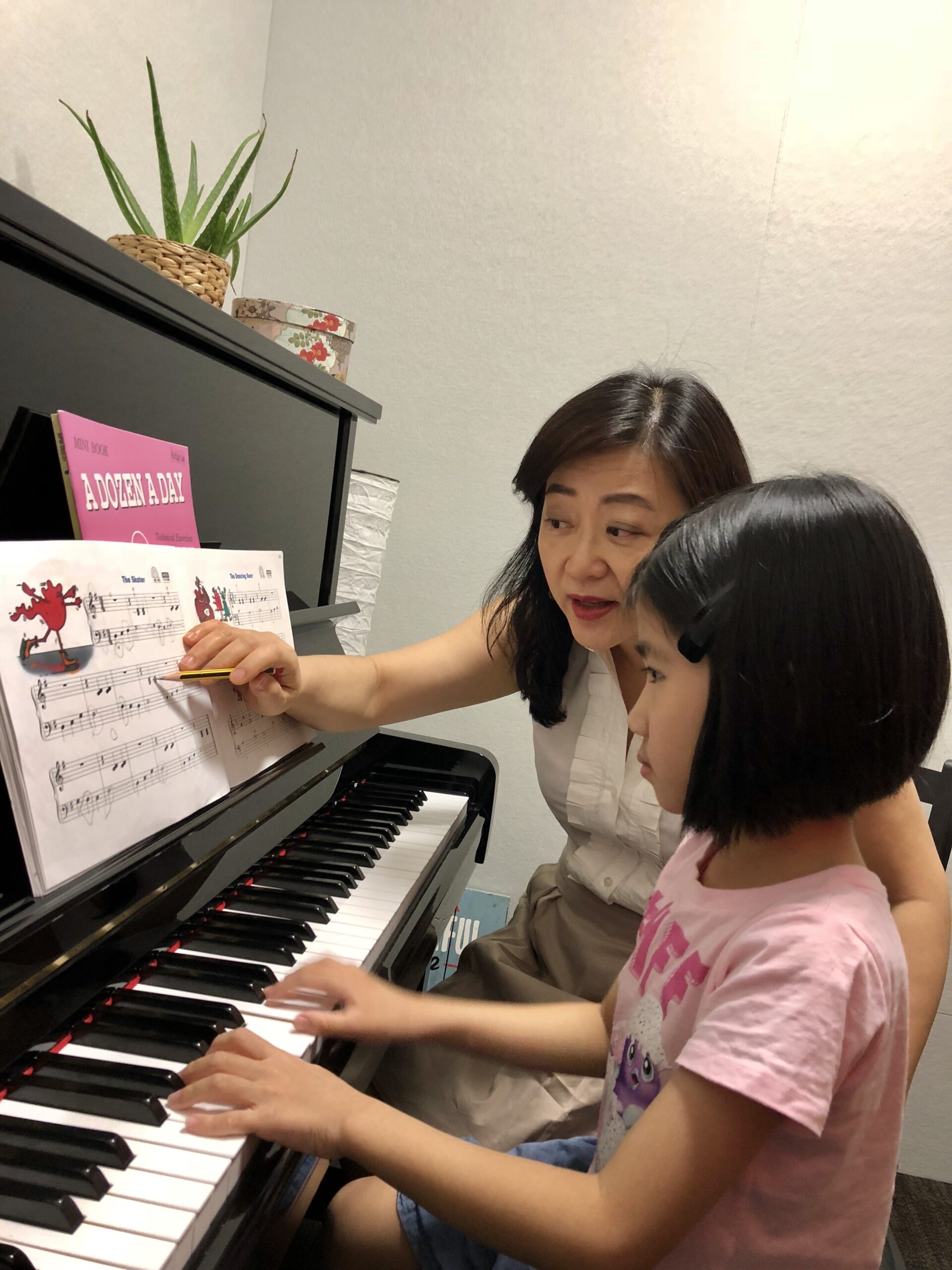
Understanding the Modern Child’s Mind
Today’s children face unique challenges that previous generations didn’t encounter. As one experienced teacher noted, “Most children nowadays are over-stimulated. They have the internet, social media, tablets, smartphones, computers, video games, TV, movies.” This constant stream of instant gratification makes sitting at a piano for 30 minutes feel like an eternity. Understanding this context is crucial for developing effective practice strategies.
Children today also experience tremendous pressure to excel in multiple areas. Between academic demands, enrichment classes, and social expectations, piano lessons for kids in Singapore can feel like just another obligation on an already overwhelming schedule. When we recognize these pressures, we can approach practice resistance with empathy rather than frustration.
Strategy 1: Transform Practice from Chore to Choice
The most powerful shift happens when practice transforms from something imposed to something chosen. At Harmony & Pitch, we’ve observed that children who feel ownership over their practice routine are five times more likely to practice consistently. This doesn’t mean letting them decide whether to practice – it means giving them meaningful choices within the practice structure.
Start by offering options: “Would you like to practice right after school or after dinner?” “Should we begin with scales or your favourite piece?” “Do you want to use the timer or count repetitions today?” These small choices give children a sense of control without compromising the non-negotiable nature of practice itself.
One parent shared a breakthrough moment: “My daughter was very stubborn and wanted to play as a little kid. Around 4, I would climb onto the bench and make sounds come out of it, but when I would try to play, my mom forbade me to touch it. In reality, she didn’t want me to possibly break it… After literally a year of routinely begging my mom to let me play, she started teaching me.” This child’s intrinsic motivation, born from restricted access, created a desire that sustained 17 years of playing.
Strategy 2: The Power of Micro-Goals and Immediate Rewards
Modern children respond exceptionally well to gamification – the same psychological principles that make video games addictive can make practice engaging. Instead of vague instructions like “practise for 30 minutes,” create specific, achievable micro-goals with immediate rewards.
One innovative approach involves creating a practice grid. Draw squares on paper, with each square representing a small task: “Play the first line three times correctly,” “Practice the tricky measure five times slowly,” or “Play the whole piece once without stopping.” As children complete each task, they place a sticker on the square. Complete a row, earn a small reward. Fill the entire grid over a week, unlock a special privilege.
The key is making rewards immediate and proportional. A perfect practice session might earn five extra minutes of screen time that day, not a toy next month. This immediate reinforcement creates positive neural pathways associating practice with reward, gradually building intrinsic motivation.
Strategy 3: Harness the 10-Minute Magic
Overwhelming children with lengthy practice expectations often backfires. Psychology research shows that shorter, focused sessions yield better results than longer, unfocused ones. Start with just 10 minutes daily – a duration that feels manageable even to the most resistant child.
Structure these 10 minutes strategically: 2-3 minutes of warm-up (scales or a familiar piece), 5-6 minutes of focused work on new material, and 2 minutes of fun – playing a favorite piece or experimenting with sounds. As one teacher wisely noted, “An absolute beginner does not need to sit at the piano for hours a day. Initially, a few minutes per practice session is all they need, but it has to be frequent, perhaps 5-10 minutes in the morning and 5-10 minutes in the evening before bedtime. Every day!”
Once the 10-minute habit is established, you can gradually extend practice time. Children who initially resisted 30 minutes often voluntarily practice longer once they’ve experienced success with shorter sessions.
Strategy 4: Create Environmental Anchors
The environment powerfully influences behavior. If the piano sits in a dark corner behind boxes, practice feels like punishment. Create an inviting practice space with good lighting, a comfortable bench at the right height, and visible progress markers like a practice chart or achievement certificates.
More importantly, anchor practice to existing routines. One parent discovered success by linking practice to daily activities: “I always suggest practice at a set time…just before or after a meal…after all you don’t forget to eat! It just becomes a routine…Eg dinner will be in 15 minutes so go and practice so you’re excused setting the table or after dinner you don’t have to clear the pots away.”
This strategy leverages behavioral psychology’s “habit stacking” principle – attaching new behaviors to established routines dramatically increases compliance.
Strategy 5: Make It Social and Performance-Oriented
Children often resist practising alone but thrive in social settings. Regular “home concerts” where they perform for stuffed animals, video calls with grandparents, or parallel practice sessions with siblings can transform practice from isolation to connection.
One teacher shared: “Encourage brief ‘concerts’ for family, stuffed animals, or video recordings that are celebrated. Performance, even informal, creates purpose.” This approach addresses children’s fundamental need for attention and recognition while building performance confidence.
Consider arranging play-dates with other children taking piano lessons kids. When children see peers practising and progressing, healthy competition and camaraderie naturally develop. Harmony & Pitch students often report that group classes and recitals motivate home practice more than any parental reminder.
Strategy 6: Model Musical Engagement
Children absorb attitudes through observation more than instruction. If parents treat music as valuable, children internalise this perspective. This doesn’t require musical expertise – simply showing genuine interest makes a profound difference.
Sit beside your child during practice occasionally, not as a critic but as an appreciative audience. Ask them to teach you something they’ve learned. Dance to their playing. Share music you enjoy and discuss what you hear. As one parent noted, “Children emulate engaged adults.” Your authentic engagement communicates that music matters without requiring a single word about practice importance.
Strategy 7: Embrace Progress Over Perfection
Perhaps the most psychologically damaging approach to practice involves perfectionism. Children who fear making mistakes often develop practice anxiety, creating a negative feedback loop. Instead, celebrate effort and progress, no matter how small.
Use growth mindset language: Replace “That was wrong” with “You’re getting closer – what could you try differently?” Instead of “You’re so talented,” say “Your hard work is really showing!” This linguistic shift, based on Carol Dweck’s research, helps children view challenges as opportunities rather than threats.
Document progress creatively – record monthly videos showing improvement, create a “mistake journal” where funny errors become memories, or chart the number of pieces mastered. When children see concrete evidence of growth, motivation naturally follows.

When Resistance Persists
Despite these strategies, some children may continue resisting practice. Before despair sets in, consider underlying factors. Is the repertoire engaging? Does the practice schedule align with the child’s natural energy patterns? Are expectations age-appropriate?
Sometimes, a break can refresh motivation. One parent shared: “I can’t tell you how glad I am that we did not start piano lessons when she was 6. We did have to suffer watching all the accomplished cousins show off their skills, but guess what? The cousins have now quit playing. We are enjoying a house full of music.”
Remember, the goal isn’t creating professional pianists but fostering lifelong musical appreciation. Children who develop positive associations with music through patient, psychologically-informed approaches often return to instruments later with genuine passion.
Your Next Steps
If your child currently resists practising, don’t implement all seven strategies simultaneously – that’s overwhelming for everyone. Choose one or two that resonate with your family’s style and commit to consistency for at least two weeks before evaluating effectiveness.
At Harmony & Pitch, our experienced teachers partner with parents to develop customised practice strategies for each child. We understand that every young musician is unique, and what motivates one might discourage another. Our piano class for kids Singapore incorporates these psychological principles while respecting individual differences.
Ready to transform practice battles into musical victories? [Contact us for a consultation] where we’ll assess your child’s specific needs and create a personalised plan for practice success.
[Book a Trial Lesson] [Speak with Our Teachers]
Remember: The journey matters more than the destination. Children who learn to love music through positive practice experiences carry this gift throughout their lives, long after specific pieces are forgotten.